
Courses Online
Six-week seminars led by world-class scholars exploring how ancient faith meets the pressing questions of our time. Take a course for personal enrichment or earn ICS credit toward a Master’s degree.
2026–27 Season
Current Courses
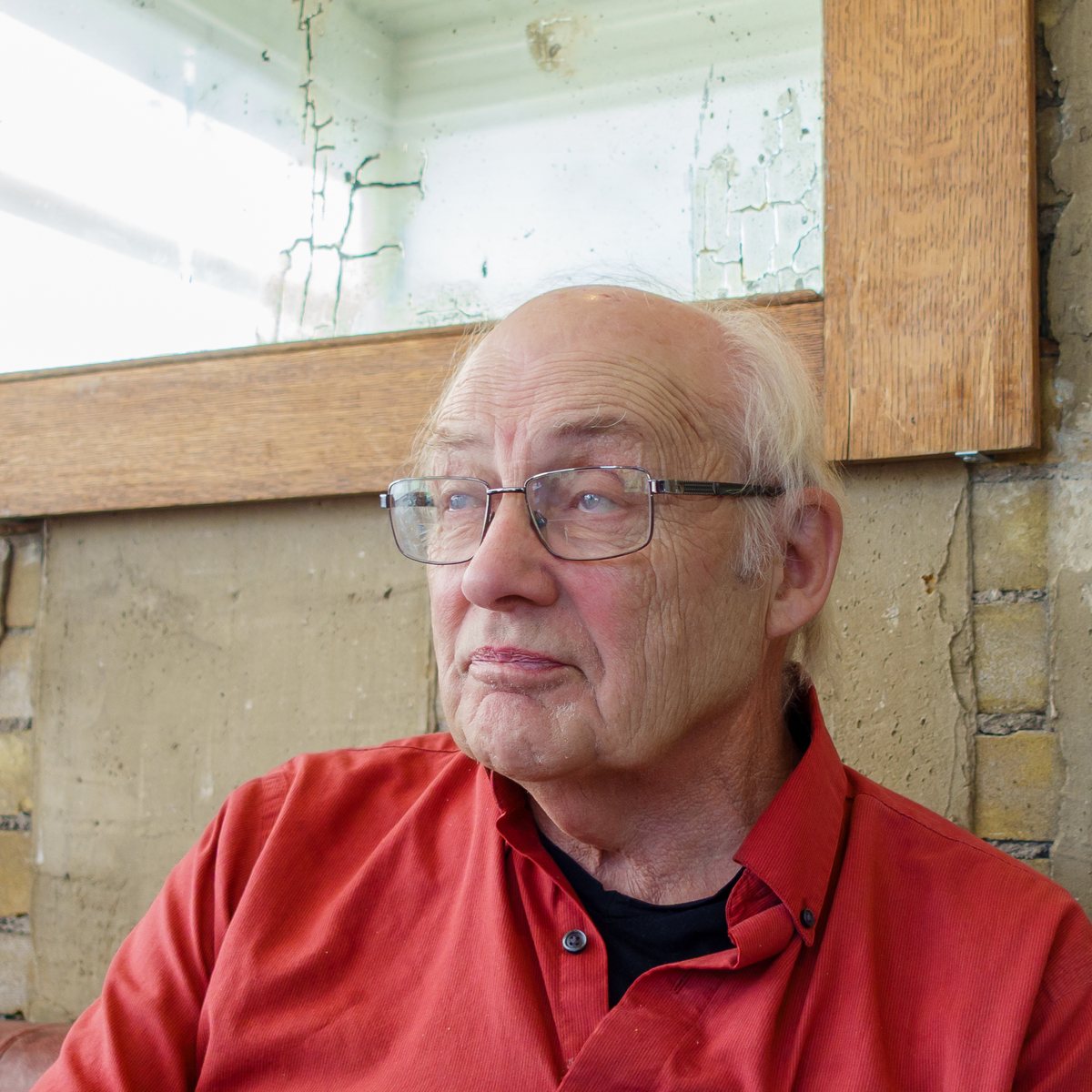
Spirals of Love and Healing: Empathy, Re-stor(y)-ing, Re-connecting, Transforming
Jim Olthuis · September 15 to October 20, 2026
This course will explore the journey of personal healing as an interactive, inter-relational dance of trust and attunement. The therapeutic dance is a four-stage spiralling process: Letting-in (developing trust and safety), Letting-go (owning and visiting trauma and pain), Letting-out (releasing, rebirthing), and Letting-transform (re-integrating, re-connecting). In the process a sacred healing space of love opens up with its own unique rhythm and energy where love engages, heals and transforms.
- Trace the four-stage spiral of letting-in, letting-go, letting-out, and letting-transform
- Explore healing as an inter-relational dance of trust and attunement
- Consider how a sacred space of love engages, heals, and transforms
About the Instructor
Jim Olthuis is professor emeritus of philosophical theology at the Institute for Christian Studies, where he taught for more than four decades, and a practising psychotherapist. His books include The Beautiful Risk: A New Psychology of Loving and Being Loved and Dancing in the Wild Spaces of Love: A Theopoetics of Gift and Call, and he is the editor of Knowing Other-wise: Philosophy at the Threshold of Spirituality.
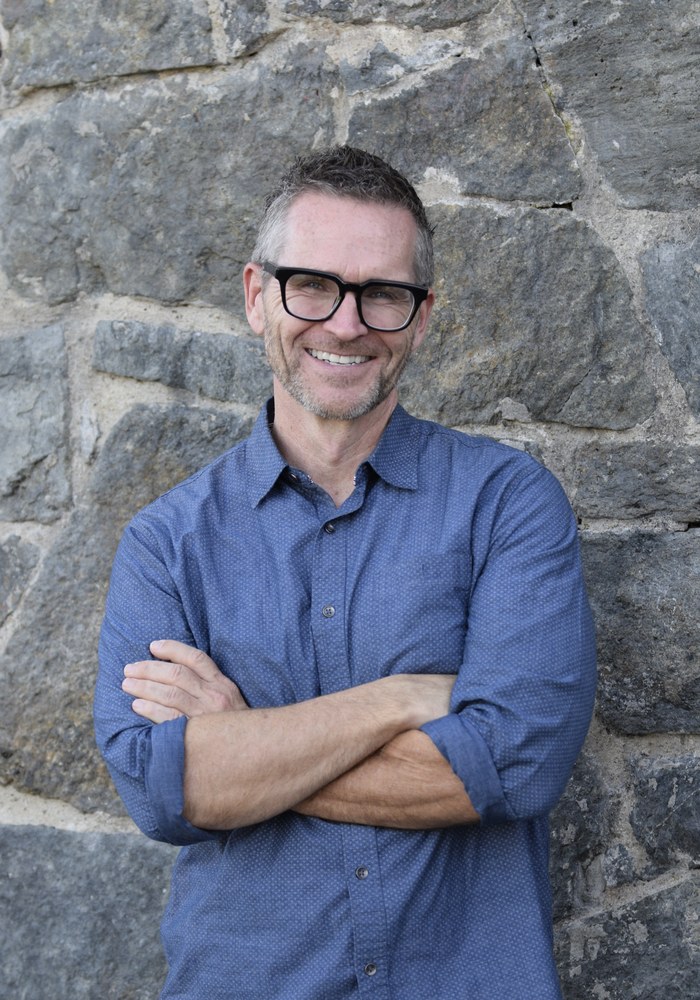
Keeping Faith Under Dictators: Lessons from 20th Century Europe
Bruce Berglund · September 16 to October 21, 2026
It’s nothing new — church members giving their support to authoritarian leaders, nationalist movements, and attacks against minority groups. The same pattern we see today runs through the history of 20th-century Europe. Why were so many Christians drawn to nationalism, racism, and tyranny, and how did other Christians express their opposition? This course explores the dynamics of resistance and complicity in these historical episodes, looking at the responses of ministers, artists, and intellectuals. By investigating their search for certainty, solace, and wisdom, we will learn how Christians living in oppressive states can gain new understandings of the church, morality, and faith.
- Examine collaboration under fascist, Nazi, and communist regimes
- Read the texts of well-known opposition figures in 20th-century Europe, including Dietrich Bonhoeffer and Václav Havel
- Ask what faith under oppressive states teaches us about faith, the church, and morality
About the Instructor
Bruce Berglund is a historian of modern Central and Eastern Europe and the author of Castle and Cathedral in Modern Prague: Longing for the Sacred in a Skeptical Age. He lives and teaches in Prague. He returns to Free to be Faithful after teaching Twentieth Century Authoritarianism and joining the Big Read as a guest.
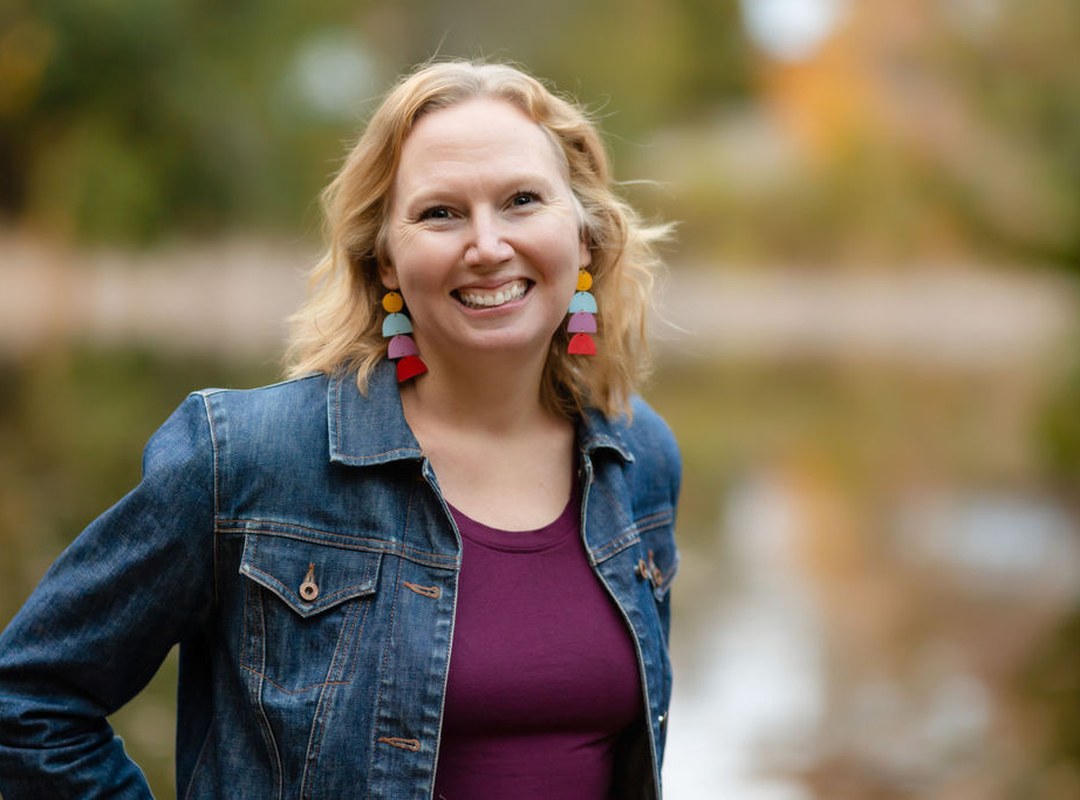
“Broken Hallelujah”: Faith, Deconstruction, and Spirituality through Music
Angela Reitsma Bick · November 3 to December 8, 2026
What happens to faith when trust is broken, certainty gives way to doubt, or the Church no longer feels like home? Drawing on stories gathered for Blessed Are the Undone, this course explores experiences of faith, deconstruction, and spiritual longing through the music and poetry that give voice to what can be difficult to articulate. Alongside stories of those who have felt dismissed or silenced within Christian communities, participants will engage contemporary musicians and poets whose work wrestles honestly with beauty and brokenness, doubt and belonging, loss and hope. From Leonard Cohen’s “broken Hallelujah” to the work of contemporary songwriters and poets, the course invites us to listen for the sacred beyond familiar religious forms, and to consider how art can open new possibilities for faith, meaning, and transformation.
- Listen to musicians and poets who wrestle with beauty and brokenness, doubt and belonging
- Engage stories of those dismissed or silenced within Christian communities
- Consider how art opens new possibilities for faith, meaning, and transformation
About the Instructor
Angela Reitsma Bick is the former editor-in-chief of Christian Courier and the author of Blessed Are the Undone: Testimonies of the Quiet Deconstruction of Faith in Canada, the book behind this course. She previously taught Reading the Ruins for Free to be Faithful.
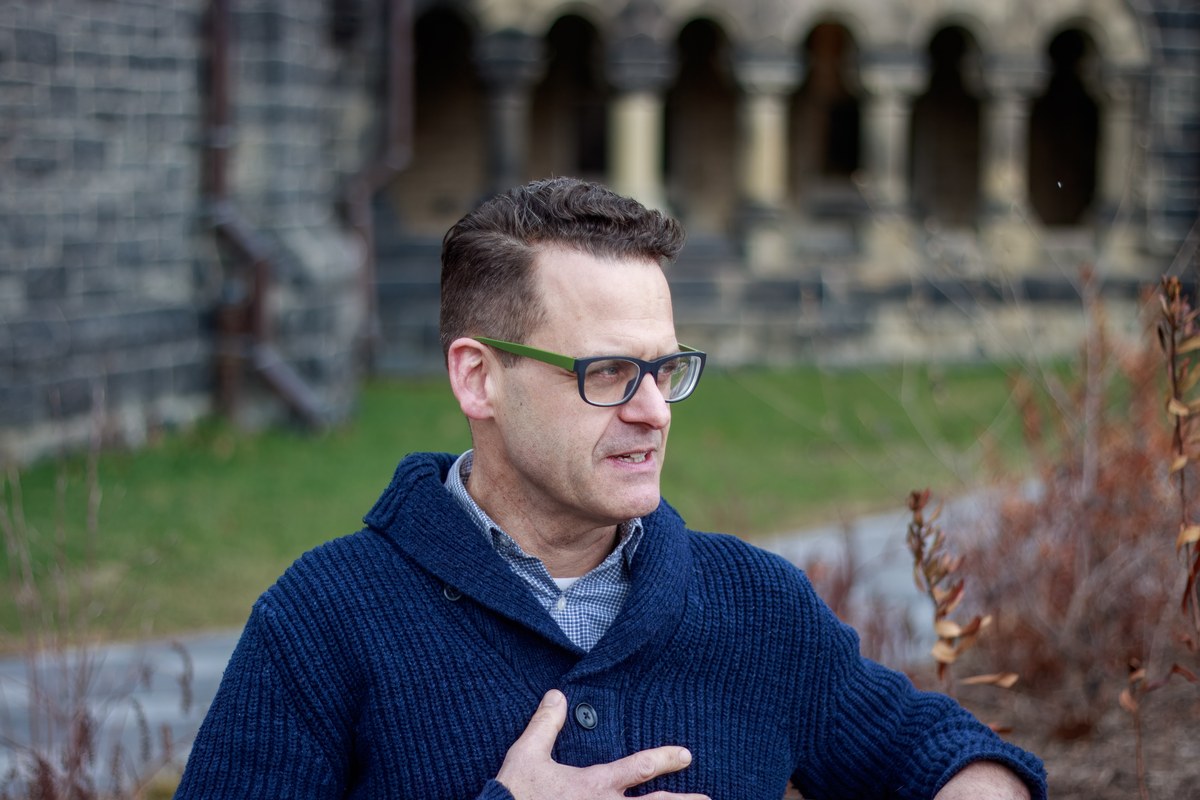
“We Are Free to Change the World”: Hannah Arendt on Resistance, Hope, and the Power of the Possible
Ron Kuipers · November 5 to December 10, 2026
In our era of post-truth politics, scapegoating persecution of minorities, and re-emerging fascism, Hannah Arendt’s investigations of 20th century totalitarianism and the possibility of resisting its evitable rise have gained fresh urgency. This course introduces Arendt’s thought to new readers through Lyndsey Stonebridge’s acclaimed intellectual biography, We Are Free to Change the World: Hannah Arendt’s Lessons in Love and Disobedience (2024). Faced with what can feel like impenetrable darkness, Arendt insists that we remain free to resist evil’s suffocating allure and choose instead to love our broken, suffering world. Among other topics, we’ll explore her singular insights on love, natality, and the act of thinking itself, and ask what lessons they hold for Christians who want to embrace human plurality and act together with others to offer shalom to a world crying out for healing.
- Read Lyndsey Stonebridge’s acclaimed biography as an entry into Arendt’s thought
- Explore Arendt on love, natality, and the act of thinking itself
- Ask what her lessons hold for Christians seeking to offer shalom to a suffering world
About the Instructor
Ronald A. Kuipers is professor of philosophy of religion at the Institute for Christian Studies and director of the ICS Centre for Philosophy, Religion, and Social Ethics. His books include Richard Rorty (Bloomsbury Contemporary American Thinkers), Critical Faith: Toward a Renewed Understanding of Religious Life and its Public Accountability, and Solidarity and the Stranger: Themes in the Social Philosophy of Richard Rorty. He teaches a recurring ICS graduate seminar on Arendt’s thought entitled “Evil, Resistance, and Judgment: Hannah Arendt and Religious Critique.”
2026–27 Season
Later This Year
The rest of the year is set. Registration for each course opens closer to its start date, and full details are added as they are confirmed.
Winter 2027 · January to February
Readings for the Soul: More Encounters with the Good, the True, and the Beautiful
Karen Swallow Prior
Through classic and contemporary fiction, drama, and poetry, we explore how literature awakens the moral imagination, deepens empathy, and helps us attend to goodness, truth, and beauty in unexpected places. This course builds on the previous The Good, The True, and The Beautiful course but offers a fresh selection of literary encounters. The earlier course is not a prerequisite: returning and new participants are equally welcome.
Decolonizing The Great Commission
Joash Thomas
What if the way we have been taught to understand “The Great Commission” has more to do with colonial Christianity than with Jesus? Drawing on Fr. Joash P. Thomas’ Decolonizing the Great Commission series on Masala Chai Theology, this course reconsiders mission, evangelism, and discipleship through a decolonized, Jesus-shaped lens — recovering ancient and Global Christian approaches to witness, from Celtic Christianity to St. Thomas Indian Christianity.
Spring 2027 · March to April
Christianity v. Consumerism: Revisiting the Spirits of our Age
Neal DeRoo
This course works through a soon-to-be-published book manuscript by ICS Senior Member Neal DeRoo that lays out a new (but old) way of thinking about faith: through the lens of what James K.A. Smith, following Augustine, calls an ‘ultimate love.’ Thinking faith this way shows us a new way of understanding what it means to be human — a heart-ed being, an image bearer — which in turn opens us to new ways of considering the ‘spirits of the age’ and how they impact us. We examine consumerism as one such spirit, and show how it distorts the truth of our situation so as to become something that seeks to grasp our hearts and not just our wallets.
Christian Antichrists: Recovering a Biblical Category for a Christian Crisis
Matthew D. Taylor
“Antichrist” has been misused for centuries as a weapon against outsiders. But the New Testament writers aimed the word inward, at those inside the community who bore Christ’s name while betraying his way. This course recovers that original usage and puts it to work as a diagnostic tool for the authoritarian Christianity of our own moment.
Summer 2027 · June to July
The Prophetic Imagination in Popular Culture
Mary McCampbell
We will explore popular literature, music, television, and film that grapple with complex theological questions. Borrowing Walter Brueggemann’s understanding of the “prophetic imagination,” we look at popular art that critiques the seductive, false notions of “the good life” that often lead us away from reality.
“Do Not Let Your Hearts Be Troubled”: Perspectives on Peace
Ethan van der Leek
What does it mean to speak of peace in a world marked by war, political division, fractured communities, and inner turmoil? Drawing on biblical texts and voices from theology, philosophy, and activism, this course explores how different traditions have understood true peace, and develops tools for recognizing forms of false peace built on exclusion, suppressed difference, or coercion.
2026–27 Season
Beyond the Seminars
Alongside the six-week online courses, the year includes a Big Read evening with an author and an experiential learning seminar in Italy.
Big Read · Fall 2026
Defying Tyrants: Following Jesus in a World of Christian Antichrists
Matthew D. Taylor
A one-evening Big Read conversation with the author, ahead of his spring course on recovering “antichrist” as a diagnostic category for the authoritarian Christianity of our own moment. Free and online — register and read an excerpt.
Experiential Learning · Summer 2027
ART in Orvieto
Rebekah Smick
A seminar and workshop in Orvieto, Italy. Full details coming soon.
Course Fees
How It Works
Learn at
Your Pace
Free to be Faithful courses involve a dynamic blend of expert lectures and in-class discussions, all delivered online via Zoom. Each course runs for six consecutive weeks, meeting once a week at 6:30 PM ET for two hours.
Take individual courses as a non-credit participant for your own interest and enrichment. Take them for credit as you can fit them into your schedule. Or complete the program and earn a Master of Worldview Studies (MWS) degree.
- Weekly readings (~25 pages/week), accessible for a non-specialist audience
- Two-hour Zoom seminars once a week at 6:30 PM ET for 6 consecutive weeks
- Engagement with expert instructors and enthusiastic participants from across North America
- Earn ICS credit toward a Master's degree, or simply deepen your faith
Course Catalogue
Past Courses
F2BF courses rotate each term. Here are some of the courses we've offered and plan to offer again.
Gender, Sexuality, and the Bible
Sylvia Keesmaat
Exploring how the Bible has been interpreted with regard to questions of sexuality and gender.
Twentieth Century Authoritarianism
Bruce Berglund
Exploring resistance and complicity through 20th-century European history.
The Good, The True, and The Beautiful
Karen Swallow Prior
Reading literature to restore the soul — classic and contemporary fiction and poetry.
Reading the Ruins
Angela Reitsma Bick
Canadian writers explore the quiet deconstruction of faith through narrative and story.
The Christian-Jewish Question Today
Matthew D. Taylor
Antisemitism, Christian Zionism, and Israel — situating today's tensions in historical and theological context.
The Evangelical Imagination
Karen Swallow Prior
How stories, images, and metaphors created a culture in crisis — centred on Prior's book of the same name.
The Contemplative Life in the Age of Distraction
Jacob Benjamins
Cultivating a contemplative life amid digital distraction, with digital fasting, slow reading, and silence as spiritual disciplines.